



Reviews
How to Find a Trusted Local Phone Repair Shop (and Avoid Getting Overcharged)
October 10, 2026
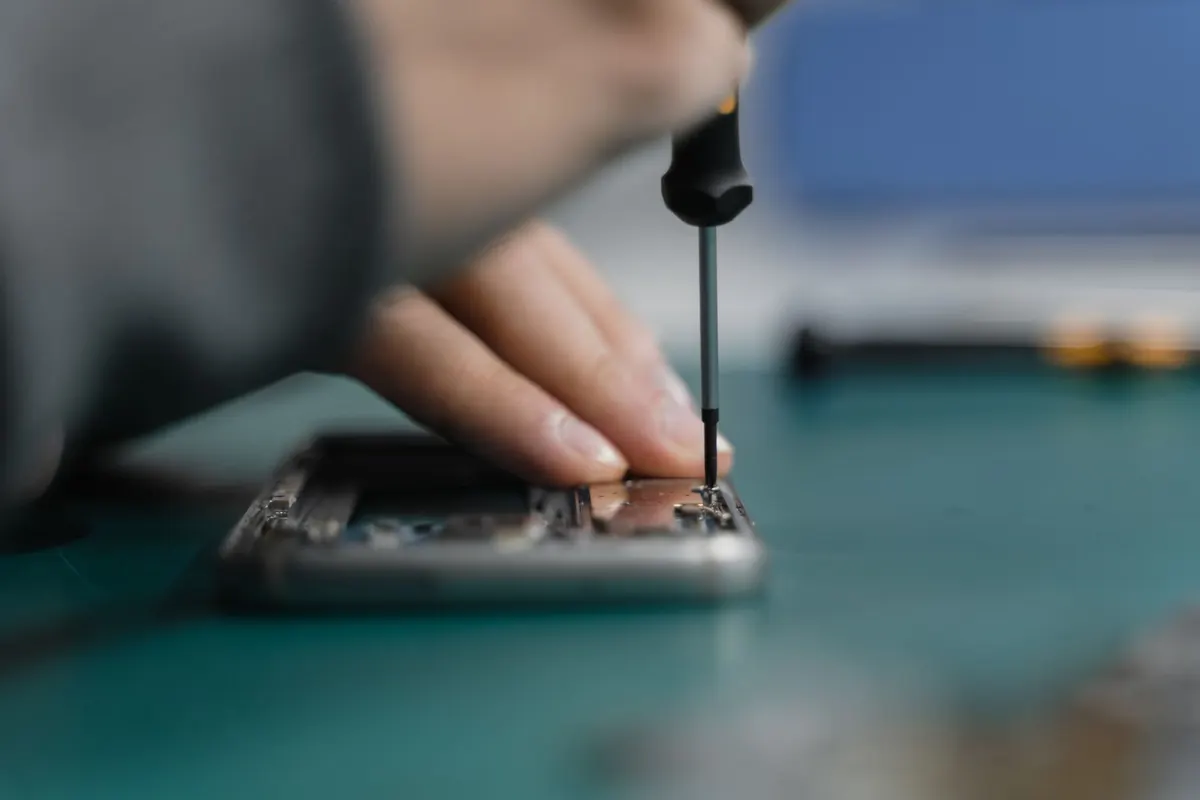
A cracked screen has a way of happening at the worst possible moment — the night before a trip, halfway through a workday, ten minutes after you decided to skip the case. Within an hour you have searched for repair shops near you and found a dozen candidates: four promising same-day service, one operating out of a shopping-centre kiosk behind a handwritten sign, and one with a phone number that goes straight to voicemail. Quotes swing wildly for what sounds like the same job, and the cheapest option is rarely the one you should take. Here is how to separate the shops that will fix your phone from the ones that will hand it back with a new problem.
Start with reviews, but read them properly
Ignore the star rating for a moment and look at the pattern. A shop with 4.6 stars and 300 reviews is a completely different proposition from one with 5.0 stars and nine reviews. The second tells you almost nothing, because nine happy customers is an afternoon, not a track record.
Read the two- and three-star reviews first. That is where the honest detail lives: "Screen looked great, but the fingerprint sensor stopped working two weeks later and they said it was my fault." Those middle reviews describe real friction, and how a shop replies in the thread is often more revealing than the complaint itself. A calm, specific response that offers to make it right says more than fifty five-star ratings.
Things worth looking for:
- The same fault being reported by several different customers
- Complaints about a quote that changed between drop-off and collection
- Reviews naming a specific technician over months, which suggests a stable small team rather than rotating staff
- A cluster of five-star reviews posted within days of each other, all using the same phrasing
Check more than one source. Google reviews, plus whatever local groups people actually use in your area — a neighbourhood forum or community page. A neighbour describing a bad repair is worth more than a stranger's rating, because they have no reason to be polite about it.
Get a quote before you hand over the device
Describe the exact model and the exact fault. Not "my phone is broken," but "Pixel 8, cracked screen, touch still works, no dead pixels." Vague descriptions get vague quotes, and vague quotes get revised upward once the phone is open on the bench.
The three questions that matter most
- What is the total, including parts, labour and tax? Not a range. A number.
- Which parts will you use, and can I see the replacement before you fit it?
- How long will it take, and what happens if it runs over?
Ask for the quote in writing — a text message, an email, or a photo of the written ticket. Shops that refuse to put a number in writing are telling you something useful. Also ask whether a diagnostic fee is waived if you approve the repair. Charging for diagnosis is not automatically unreasonable, but you should know before you leave the phone behind.
Understand what the warranty actually covers
"Warranty" is the word people hear and then stop listening to. Push for the details while you are still standing at the counter:
- How long? Get the number in days or months, not "a while."
- Parts only, or parts and labour? A warranty that covers the part but not the work can still leave you paying twice.
- What voids it? A new drop should void it, obviously. Removing a case should not.
- Does it survive a repair elsewhere? Usually not, so plan accordingly.
Have all of this printed on the receipt. A verbal "yeah, we cover it" is worth nothing in eight weeks when the screen starts flickering along one edge.
Parts are as important as price
Broadly, you will be offered one of three things: original manufacturer parts, refurbished originals pulled from another device, or aftermarket copies of varying quality. Ask which one is in the quote and what the price difference is.
On some newer phones, non-original components can behave differently — screen calibration settings, battery health readings and similar display features may not work the same way. That is not always a dealbreaker. If you are repairing an older handset you plan to replace soon, an aftermarket screen can be a sensible, cost-effective call. If you intend to keep the phone for another two years, paying more for an original part usually pays for itself.
Red flags worth walking away for
- A quote far below everyone else's, with no explanation for the difference
- Refusal to show you the replacement part, or the old part once the job is done
- Pressure to decide right now, or a discount that expires today
- No fixed address, or a business that only communicates through a messaging app
- Vague answers when they ask for your passcode — many repairs genuinely need it for testing, but they should be able to say why
- No written ticket, no receipt, no name on the door
A five-minute checklist before you commit
Run through this every time, even for a shop you trust:
- Back up your phone, and note your model number and IMEI somewhere other than the phone
- Take photos of the device from every side, including existing scratches, so there is no argument later
- Remove the case and screen protector, and take your SIM card out if you would rather not leave it
- Confirm the total price and the warranty length in writing
- Keep the receipt somewhere you will still find it in three months
The best repair shops are almost boring. They answer questions without irritation, give you a written number, explain which part they are fitting, and will occasionally tell you that a repair is not worth the money. That last one is the strongest signal of all. If a shop talks you out of a job because the phone is too old to justify the cost, they have just shown you exactly how they will treat you the next time your screen cracks. If the quote is close to what a replacement device would cost you, that is your answer too. Sometimes the smartest repair is no repair at all.
Photo: Tima Miroshnichenko / Pexels
Related posts
More stories you’ll love reading